
FAQs
Have Questions About Men's Health? Get Expert Answers

What are essential nutrients for men?
Proper nutrition forms the foundation of men's health. Essential nutrients like zinc, magnesium, and vitamin D support testosterone levels, muscle development, and immune function. A balanced diet rich in lean proteins, whole grains, healthy fats, and vegetables ensures your body receives everything needed for optimal performance and long-term wellness.
Why is nutrition important for men's health?
Men face unique nutritional challenges including higher caloric needs, muscle maintenance, and prostate health concerns. Strategic nutrition addresses energy levels, mental clarity, cardiovascular function, and hormonal balance. Investing in proper eating habits now prevents chronic diseases and maintains vitality throughout life.
What are the key nutritional components every man should focus on?
Men should prioritize protein for muscle recovery, omega-3 fatty acids for heart health, fiber for digestion, and antioxidants for cellular protection. Additionally, adequate hydration, mineral intake, and balanced carbohydrates support energy, endurance, and metabolic function. Each component plays a critical role in overall wellness.
How does exercise complement nutritional strategies?
Exercise and nutrition work synergistically to maximize men's health benefits. Proper post-workout nutrition supports muscle growth, recovery, and energy replenishment. Regular physical activity enhances nutrient absorption and improves cardiovascular health, while good nutrition fuels performance and prevents injuries during training.
What supplements should men consider taking?
Quality supplements can fill nutritional gaps when whole foods are insufficient. Popular options include vitamin D for bone health, magnesium for muscle function, and fish oil for cardiovascular support. However, supplements complement rather than replace healthy eating. Consult healthcare providers before starting any supplement regimen.
How can men optimize their daily meal planning?
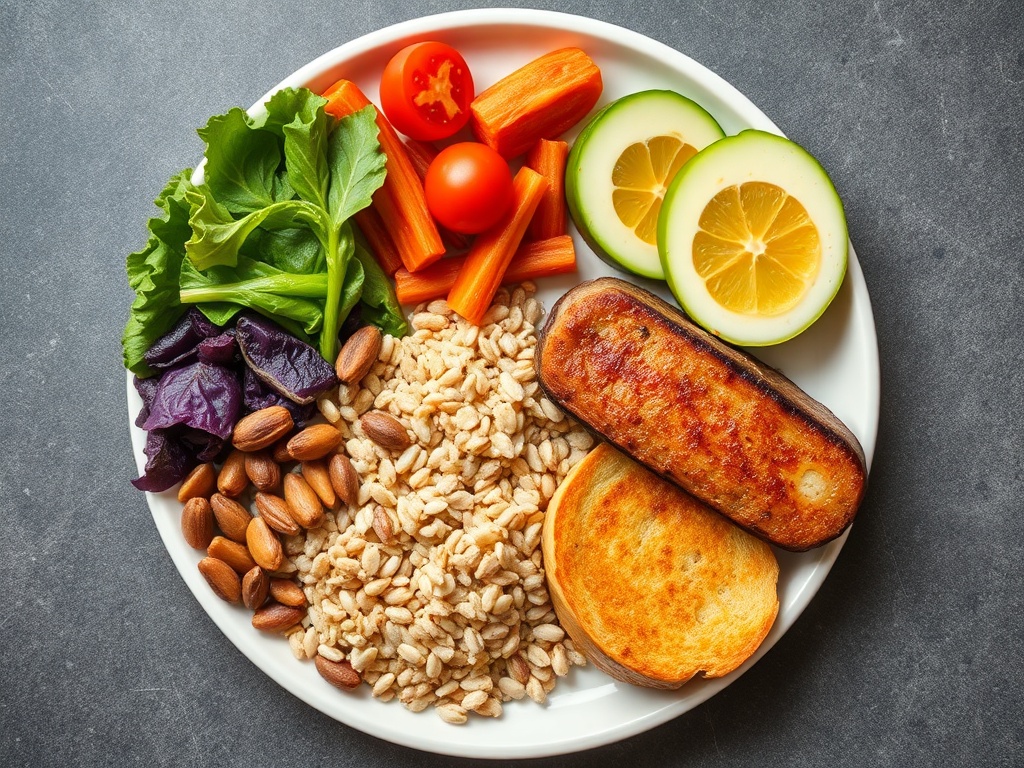
Effective meal planning ensures consistent nutrient intake and supports fitness goals. Prepare balanced meals combining lean proteins, colorful vegetables, and whole grains. Plan snacks wisely, stay hydrated, and avoid processed foods. Consistency in meal timing and portion control creates sustainable habits that improve energy and overall health.
Personalized nutrition guidance tailored to your lifestyle and health goals

What foods boost testosterone naturally?
Natural testosterone support comes from specific foods including oysters, lean beef, eggs, almonds, and pomegranate. These foods contain zinc, selenium, and antioxidants that support hormonal balance. Combine them with regular exercise and adequate sleep for maximum effectiveness. Avoid excess alcohol and processed foods that can suppress testosterone levels.
How does hydration affect men's physical performance?
Proper hydration is fundamental to athletic performance, mental focus, and metabolic function. Dehydration reduces strength, endurance, and cognitive ability while increasing injury risk. Men typically need more water than women due to muscle mass and activity levels. Track daily intake and adjust based on exercise intensity and climate conditions.
What dietary habits help prevent common men's health issues?
Smart dietary choices prevent heart disease, diabetes, prostate problems, and obesity. Focus on reducing sodium and added sugars, increasing fiber intake, and choosing healthy fats. Regular consumption of antioxidant-rich foods and lean proteins supports long-term disease prevention. Consistency matters more than perfection in building protective habits.
How can men develop sustainable eating habits?
Sustainable habits start with small, manageable changes rather than drastic overhauls. Build gradually by adding nutritious foods instead of only restricting choices. Find healthy alternatives you genuinely enjoy, involve family in meal preparation, and track progress. Patience and self-compassion create lasting lifestyle improvements over quick-fix approaches.
What role does sleep play in nutritional success?
Sleep quality directly impacts metabolism, appetite regulation, and nutrient absorption. During sleep, your body repairs muscle tissue and consolidates nutritional benefits. Poor sleep increases cravings for unhealthy foods and disrupts hormonal balance. Prioritize 7-9 hours nightly combined with good nutrition for optimal health outcomes.
How should men adjust nutrition for different life stages?
Nutritional needs evolve across life stages. Young men need calorie-dense foods for muscle building and growth. Middle-aged men should focus on weight management and cardiovascular health. Older men benefit from increased calcium, vitamin D, and protein to maintain muscle and bone density. Adjust strategies as your body's needs change over time.

Get your personalized nutrition assessment
Expert guidance based on years of experience